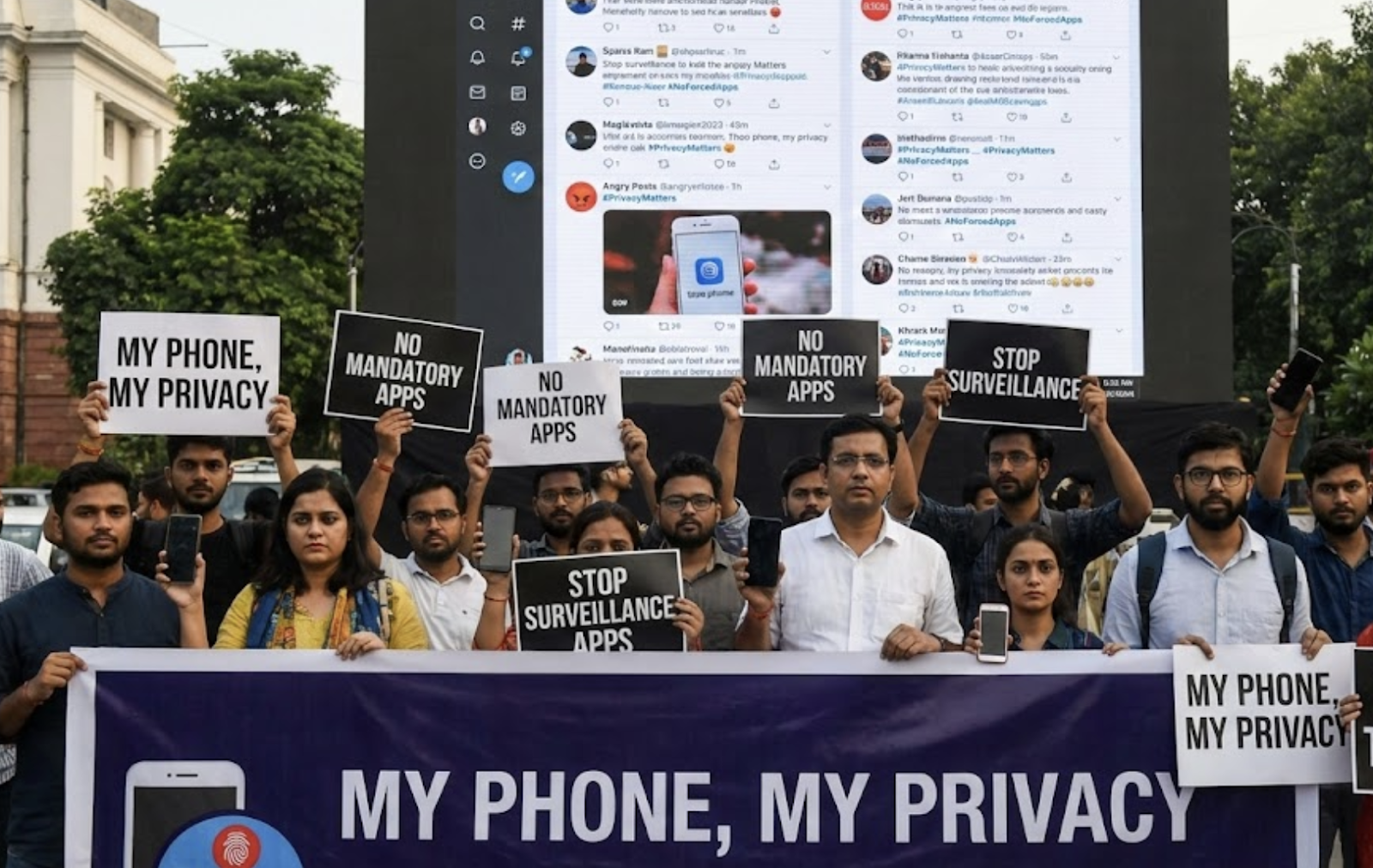

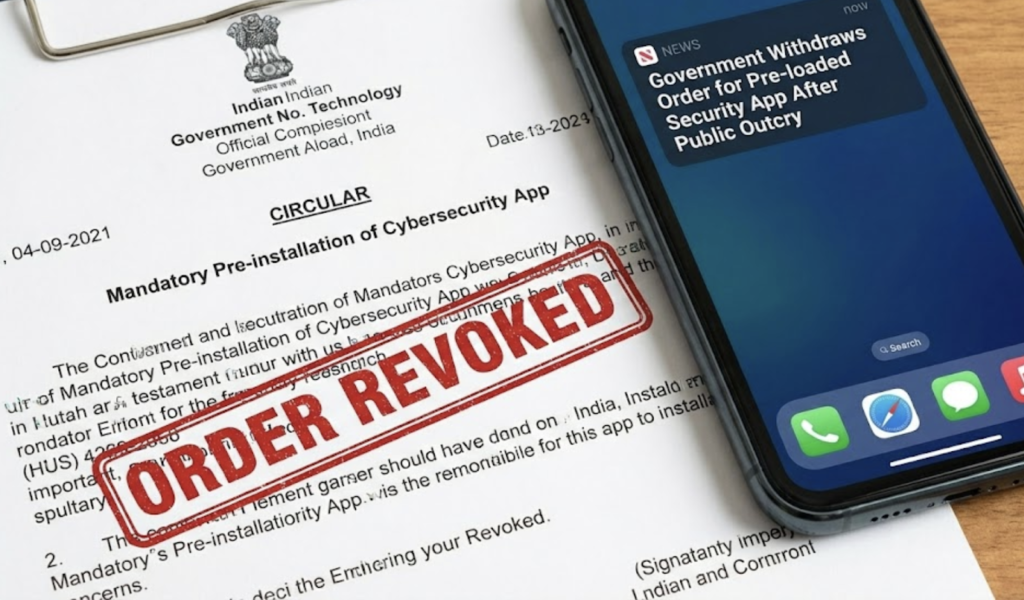
The government of India has officially revoked an order that compelled smartphone manufacturers to install the Sanchar Saathi app, which monitors cybersecurity, on all new phones, following widespread criticism from technology companies, digital rights activists, and opposition leaders. This was overturned just days after the order was issued, indicating that the government acted quickly when pressured to shut down privacy intrusions and the growing concerns about surveillance.
Industry Pushback Forces a Rethink
The initial directive required leading smartphone manufacturers, such as Apple, Samsung, Xiaomi, and a number of local brands, to load the Sanchar Saathi app in 90 days. Manufacturers were reportedly worried about both privacy implications and technical restrictions, as major global operating systems do not normally permit preinstalled applications to be inaccessible to users.
Several companies were also informing that it would be hard to comply without breaking international software policies. Apple’s refusal to preload the app, as reported by the company, escalated the debate and preconditioned the broader resistance across the industry. According to tech professionals, imposing a government application on personal equipment was a major change in terms of voluntary digital safety precautions to mandatory surveillance equipment, and consequently, the matter was highly controversial.
Government Defends the App but Withdraws the Mandate
Officials claimed that Sanchar Saathi aims at consumer protection, and with its help, users can prevent stolen phones and identify the presence of fraudulent SIM cards as well as report suspicious situations. They emphasized that the application is present in the application stores and is not compulsory.
The general backlash, however, seems to have led to a re-evaluation. In a follow-up announcement, the Ministry of Communications clarified that preinstallation would not be compulsory, accepting that there was a miscommunication, and said that the government encourages voluntary adoption in its place.
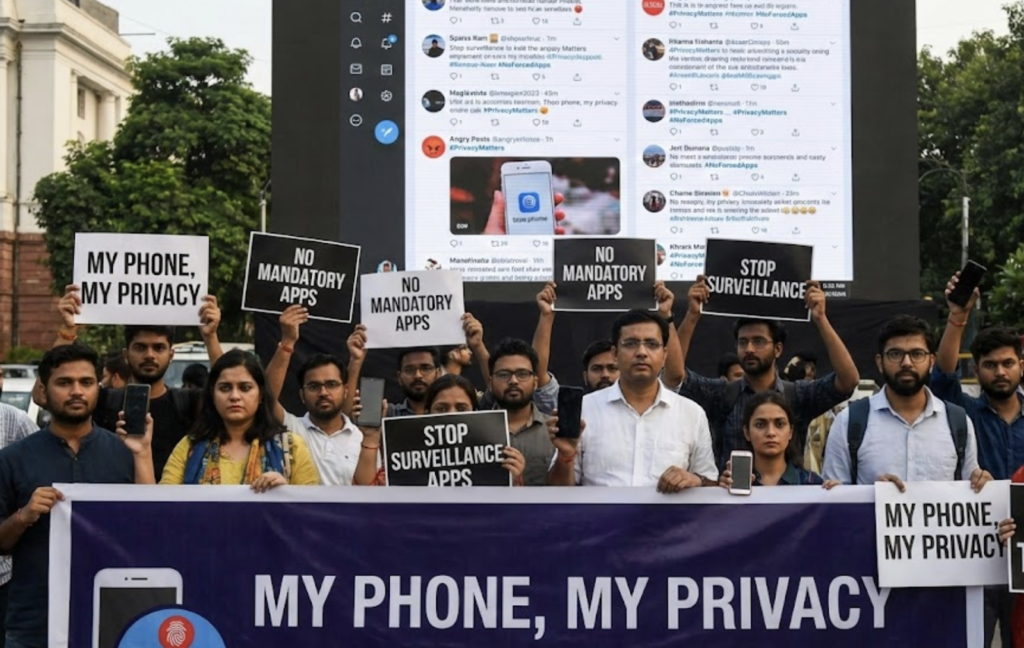
The rollback was celebrated by the digital rights groups, which described it as a win for privacy standards in India. Others required that future tech instructions should go through a formal review procedure to curb such anguish or overstepping.
Opposition and Civil Society Raise Red Flags
The opposition parties saw their opportunity to challenge the wider strategy of the government to regulate digital content, demanding accountability and transparency. Privacy activists and lawyers were concerned that the order would have permitted a precedent of the introduction of other mandatory applications, without any obvious legal protection.
Through the withdrawal, the analysts say the government has managed to avoid a larger legal battle that would have rekindled discussions about the lack of an entire data protection ecosystem.
Looking Ahead- Balancing Safety and Privacy
To the consumers, the choice will mean that the new smartphones will not contain obligatory government software. To the government, the incident demonstrates the fragility in balancing the promotion of cybersecurity and the autonomy of individuals.
Experts think that the incident is a sign of an increasingly digital policy environment in India – one where domestic criticism and industry pressure compel the state to re-evaluate the extent to which regulations can be pursued without compromising user confidence.
With the growing number of cybercrimes in the country, it is agreeable that there is a need to use digital tools. Yet, analysts believe that successful adoption should not be forced but rather compelled.

I craft sharp movie reviews and trend analysis, known for deep research, clear insights, and compelling storytelling across the latest in film and pop culture.