
There was a time when job goals came with a plan. We told students to make decisions early, pros to plan their raises years ahead of time, and we saw uncertainty as a flaw instead of a strength. People took the five-year plan very seriously and saw it as proof that they were in charge of the future.
That confidence has been slowly fading. These days, technology changes jobs faster than organisations can rethink them. In short rounds, roles appear, change, and disappear. Long-term job forecasts are less of a plan and more of a chance in this setting. In this setting, Ryan Roslansky, CEO of LinkedIn, is questioning one of the most important ideas in the business world.
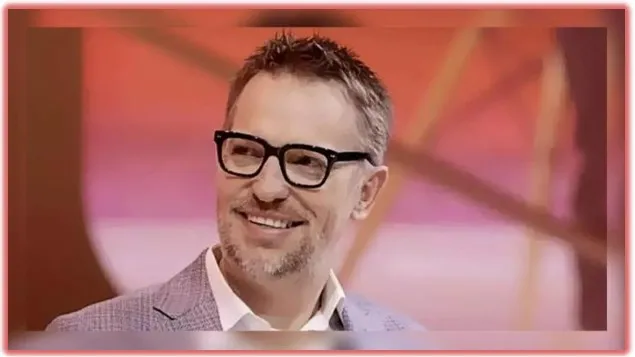
Long-term plans for your job no longer work
Roslansky’s job is to watch how people talk about work on the Internet. After all, LinkedIn has turned into a place where professionals can share their pearls of knowledge. But he thinks that not all advice has held up well over time. He says that one idea that keeps coming up doesn’t work with the way jobs work now.
In an interview with Erin McGoff on her YouTube program AdviceWithErin, Roslansky said that the five-year plan was “a little bit out of date.” He even said it was “a little bit foolish.” It is no longer possible to “map out what the next five years of your life are going to look like” because AI and fast technology changes are changing the way people work.
A way to build a job that is based on learning, not guesswork
Roslansky tells his employees to think less rigidly about plans and more flexibly about how they carry them out. From his point of view, learning goals, not set goals, should guide careers.
Business people shouldn’t think about where they want to be in five years, but about what they want to learn next. What kinds of adventures do they want to have?
He said, “I think that’s the right way to think in this situation.” “A lot of doors will open for you in your career if you focus on those smaller steps of learning and getting experience.”
He says that progress comes from doing things, not from planning ahead.
The end of the simple job story
Roslansky also doesn’t believe in the standard “ladder” model of success. No longer does the idea that jobs go through neat, regular steps match up with reality.
A straight road is still what many people think of. He said, “You finish high school, go to a certain college, work as a consultant, and then get an MBA.” He did say, “That’s not how it happens at all for most people,” though.
Careers today go in zigzags. They take a break. They start over. Roslansky says that when people accept that fact, they win power instead of losing it.
Taking charge of your work
Letting go of fixed standards changes how we think about our duty. There is no agency working behind the scenes to make a perfect road.
Roslansky said, “Once you let go of that idea, you can take charge of your own career.” “No one is trying to help you figure this out.” It’s your job to take care of it.
The word is harsh, but it gives people strength. Alignment is less important now than agency.
Advice for young workers that is useful
Roslansky’s advice for young people starting out in the job is based on real-life examples. The first thing he suggests is clear. “Get the tools.”
Even if it’s just a little, he wants people to try out artificial intelligence at work.
He told her, “Try to figure out how to turn chat into a PowerPoint presentation.” “You know, think about how this can help you make a better sales pitch.” The goal is not to become a master quickly. Being comfortable with change.
Why is attitude more important than skill
Roslansky stresses that being open to tools is more important than having a personal taste. The point is not whether AI feels natural or strange.
“Whether you like it or not, whether it fits what you’re trying to do or not,” he said. It’s important to think of learning as something you do. “I think the most important thing is that mental model…like, ‘I’m going to use this tool and learn how to use it to help me do something.'”
In this way, being able to adapt is like a skill in and of itself.
The importance of human skills that lasts
But Roslansky is careful not to believe in technological certainty. He makes it clear that software alone won’t get you a job.
Communication, empathy, and good judgment are still “critical” in the modern workplace. They might be more important than ever. As technology grows, smart people become harder to find, which makes them more valuable.
“In a world where everyone is kind of, you know, focused more on technology, if you really work on a lot of those people skills, it can really set you apart,” he said.
A plan for a job in a time of instability
In the end, Roslansky’s case changes what it means to plan a job. No longer is it the goal to accurately guess what will happen in the future. It means getting ready for the unknown with skill and good sense.
Five-year plans may have once been a sign of desire. These days, the best edge is being able to learn faster than things change.

I am a versatile content writer from the MP region, covering politics, business, crime, current affairs, entertainment, video games, and sports with clear insights, engaging analysis, and timely, reader-focused updates.









