What Did Trump announce?
Trump announces drug price cut deals. They include the following 9 pharmaceutical firms. Trump strikes a deal with US drug manufacturers.
In December 19, 2025, President Donald Trump announced that nine big pharmaceutical companies had agreed to reduce prescription drug prices in America as part of new agreements reached as a result of negotiations conducted with the White House.
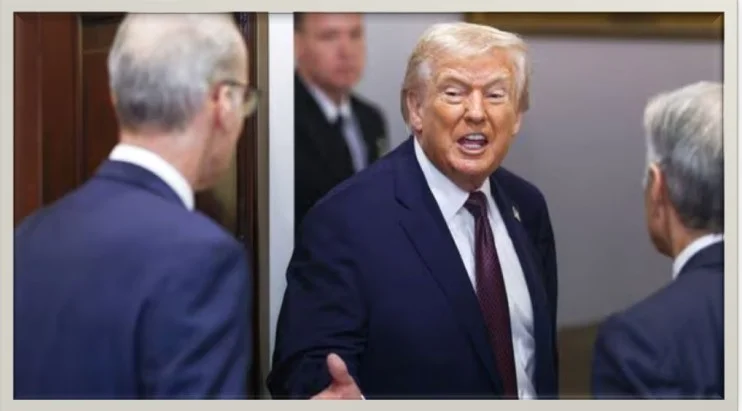
The list of companies that have joined this venture comprises large international players like Gilead, Amgen, Novartis, Boehringer Ingelheim, GSK, Sanofi, Merck, and others.
The initiative is described as the largest undertaking so far within the US endeavor to harmonize the country’s drug prices with established global prices, which Trump’s administration refers to as the ‘most-favored-nation’ or MFN principles.
Core Components of the Plan
a. Most-Favored-Nation
Under MFN pricing, the companies agree to cut prices on certain medications to ensure that they do not exceed the lowest prices that these developed nations paid. The goal of this process is to ensure that the U.S. does not subsidize cheaper prices around the globe.
The agreements are related to drugs developed to treat a variety of chronic and serious diseases such as diabetes, asthma, HIV infection, hepatitis, heart disease, and multiple sclerosis.
b. Medicaid Discounts
Each state in the U.S. will now be able to obtain MFN prices from the nine firms, which would yield billions of dollars in savings for a major government health care program that provides insurance for many poor Americans.
c. TrumpRx Direct Sales Platform
The White House also launched a new website, TrumpRx.gov, which they claim will enable Americans, even the uninsured, to purchase affordable drugs from pharmaceutical manufacturers.
Trump asserts this reduces middlemen like pharmacy benefit managers in order to promote lower out-of-pocket costs for some patients.
d. Investment and Supply Commitments
The drug companies that took part in the effort promised to spend at least $150 billion in research and development and manufacturing in the United States, and several of them pledged to supply active pharmaceutical ingredients to the national strategic reserve.
Price Reductions Examples
- An Amgen cholesterol medication, could start at roughly $573 and move as low as $239 on TrumpRx.
- Reyataz, an HIV drug marketed by Bristol Myers Squibb, might decrease from approximately $1,449 to $217.
- Gilead’s Epclusa for Hep C could plummet from approximately $24,920 to $2,425.
- The price of Sanofi’s Plavix could range from $756 to $16.
- A possible outcome for Merck’s diabetes drug, Januvia, could be a drop from around $330 to $100.
These examples represent the potential dramatic reductions of prices for direct acquisition, although these final costs to the consumer will depend on insurance reimbursement and pharmacy practices.
Why is it relevant?
The costs of prescription medications in the United States are among the highest in the world, which is two to three times more expensive than in other rich countries. The out-of-pocket cost is also an important political concern in America, as many people in America delay or forego medication due to unaffordable prices.
This move is presented as part of Trump’s effort to make U.S. companies pay the same, if not less, costs compared to foreign companies when it comes to innovation.
Support and Criticism
Supporters Say:
- It might also help in bringing down the costs for uninsured as well as cash-paying patients.
- Matching the cost of medicines with international norms might ensure that U.S. patients are not indirectly subsidizing low global costs.
- Investment pledges can help improve drug manufacturing in the US.
Critics Point Out:
- Ambiguities in long-term cost savings for most patients, particularly those with insurance.
- Medicaid receives strong discounts already, so the potential gains may be smaller than imagined.
- “Industry concessions may be too narrow in focus, impacting only particular channels of distribution, such as direct sales and Medicaid, rather than the overall market price,” say certain observers.
What’s Next?
The TrumpRx platform is scheduled to open operations early next year, but more companies, some of which are yet to make agreements, are also expected to open their platforms. People will be waiting to see the number of patients who gain benefit from the changes in the Direct Pricing policy.
Bottom line:
President Trump’s announcement marks a significant shift in policy efforts aimed at cutting drug prices through encouraging voluntary price cuts in major pharmaceutical companies, linking U.S. drug prices to lowest international standards, increasing direct-to-consumer access, and tapping investment and supply commitments, although its effectiveness in ultimately helping regular Americans reduce their drug expenses has raised some concerns among experts.

I am a versatile content writer from the MP region, covering politics, business, crime, current affairs, entertainment, video games, and sports with clear insights, engaging analysis, and timely, reader-focused updates.