The United States has captured a second oil tanker sailing off the coast of Venezuela, and this is heightening its maritime enforcement program on ships suspected of transporting sanctioned crude associated with the government of President Nicolas Maduro. The action is a major step in U.S. attempts to interfere with the commercial transport system in Venezuela and cut oil payments to Caracas.
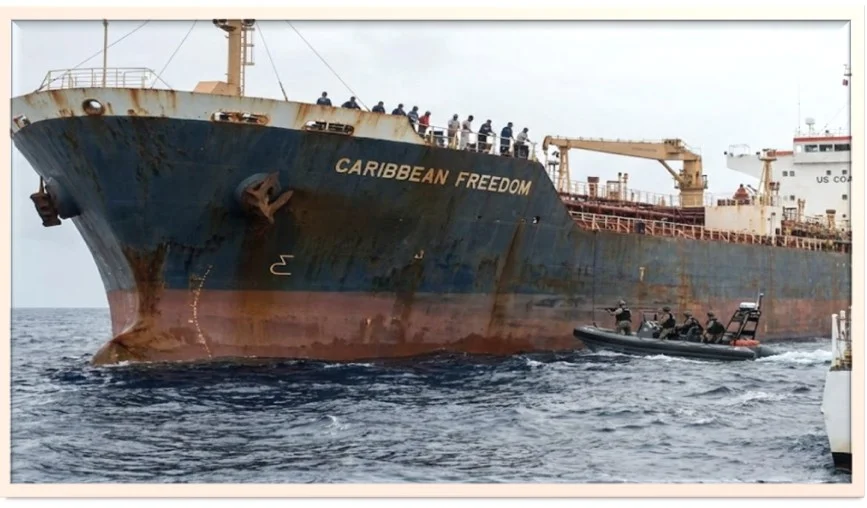
Later on Friday, U.S. officials affirmed that the tanker had been captured in international waters off Venezuela and diverted to an insulated port under the oversight of U.S. officials. It is suspected that the ship is carrying crude that investigators claim was channeled through shell companies to avoid sanctions.
Second Weekly seizure increases the pressure in Caracas
The capture comes a few days after the U.S. annexed another tanker that was sailing off the Venezuelan coastline on allegations of transferring crude to the Asian ports in a deceptive manner by falsely reporting the ship’s cargo. Authorities have said that there are more recent interdictions as part of a bigger plan aimed at destroying a global network of dark oil shipments that fund the Venezuelan state.
Washington has been adamant that the Maduro government still relies on the shadowy maritime exports despite the sanctions on imports to demand democratic changes. The Venezuelan officials have denounced the recent move as piracy and the defiance of international law.
US: Offensive against Crackdown is a Long-term Strategy
The second seizure is an indication of the United States’ willpower to cut off streams of revenue related to sanctions evasion, according to senior administration officials. The past few months have seen an increase in naval and coast guard surveillance activities in the Caribbean, where dozens of ships suspected of switching off transponders and hiding their destinations are monitored by U.S. agencies.
The U.S. has also intensified legal questioning of the tanker owners and insurance companies associated with cargo bound to Venezuela. Analysts believe the intensified enforcement is not only meant to stop exports, but also to deter foreign partners from dealing with the oil industry of Venezuela.
Effects in the Economy and Oil Trade in Venezuela
These operations will further undermine Venezuela’s already weak economy, as oil collection consumes a significant share of state revenues. Since sanctions were instituted, oil exports, which have been the financial lifeline of the government, have been subject to logistical and diplomatic challenges.
Analysts are concerned that the spillover effects can reach other energy markets across the world, especially with the increased geopolitical uncertainty and unstable crude oil. Other analysts think that the scenario may further increase Venezuela’s dependence on a small number of international purchasers and increase the use of covert shipping strategies, which involve high risk.
Local Bitterment and Foreign Policy
The recent seizure of the tankers is bound to complicate relations between Washington and Caracas at an important time. The U.S. still identifies the opposition mind, Maria Corina Machado, as the democratic representative of Venezuela, whereas the Maduro government has claimed that Washington is economically aggressive.
The Foreign Ministry of Venezuela released a harsh statement following the seizure of the initial tanker, declaring the measures to be repercussive and describing them as hostile interference. This second incident is intended to elicit another response from the government.
At the same time, the neighbouring Caribbean countries are keeping a close eye, as the region depends on shared waterways and security can be unpredictable.

A versatile writer mainly works on trending news, daily updates from politics, business, crime, current affairs and entertainment.