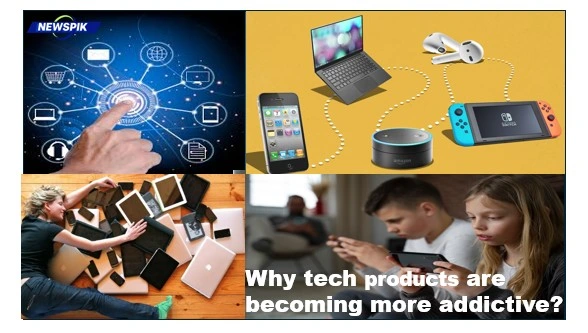

Nowadays, technology has come to be very much ingrained in our daily lives. Smartphones, social media, online services, and mobile gaming are no longer merely instruments of convenience—but rather, they appear to be instruments that are very difficult to resist. These instruments are not merely designed to be useful. Indeed, technology is nowadays being designed to be even more addictive.
The Psychology of Human Behavior
“The big reason why technology products have become so addictive is that they tap directly into human psychology: Humans have been wired for novelty, rewards, and social validation. And so, technology companies tap into behavioral psychology in order to figure out human thought patterns and human behavior. Likes, comments, streaks, and notifications have been designed to tap into the rewarding system of the human brain through the release of dopamine, which is basically the pleasure molecule.”
The Power of Variable Rewards
The technology products also use the variable reward system, an idea taken from behavioral science and gambling psychology. Variable rewards are given unpredictably, unlike predictable rewards. The user cannot tell how many likes would come up on a post or what new content might refresh down a feed. This variability keeps them hooked; they continue to check their devices for the next rewarding experience.
Infinite Content, Endless Scrolling Modern technologies eliminate natural stopping points. Infinite scrolling, pop-ups on streaming sites that make another program play right after one finishes, and content recommendation after content recommendation eliminate the need to make a conscious stop. Finishing a television episode or reaching the bottom of a newspaper page created a natural point of pause. Today, content is endless, and it’s easy to lose track of time and much more difficult to disengage.
An interesting device in Deepinder Goyal’s Temple causes a stir online
Personalization Through Data and Algorithms
Advanced algorithms are significant contributory factors to tech addiction. The tech companies harvest enormous amounts of data from users to create content that is tailored to their interests. The user interacts with the site, and the algorithms develop an understanding of what he wants. The sites provide users with an experience that is tailored to their interests. Content that meets their interests perfectly becomes hard to resist.
Social Validation and Fear of Missing Out (FOMO)_SOCIAL VALIDATION Social interaction is a basic human need that is magnified by tech products as it relates to digital validation. Likes, shares, comments, and followers are a new social currency. Many people use these metrics to define self-worth, resulting in compulsive checking as well as posting. Further, FOMO (Fear of Missing Out) also forces individuals to be online as they do not want to be left out of trends, conversations, and social updates.
Business Models Built on Attention
Many tech companies rely on a business model that derives revenue primarily by capitalizing on users’ attention – and advertising in particular. The longer users are on the platform, the more data the company collects and the more advertisements it has the opportunity to display to the users. This provides an enormous economic advantage to maximize user support or engagement rather than their mental health and well-being.
Convenience and Integration Into Daily Life
Technology’s addictive quality has increased because it is very convenient and accessible. Smartphones are always at people’s disposal, notifications accompany them everywhere they go, and several functions are combined in one device. Beginning with work and learning and ending with entertainment and social interactions, most things in people’s life are now linked to technology. **Lack of Digital Awareness and Regulation** Secondly, the absence of digital literacy and regulation also plays a part. This is due to the fact that most users do not have much information on the way technology products are designed to influence human behavior. However, there also appears to be a lack of regulation when it comes to ethical design and user regulation.
AI Without Internet Could Soon Make Smartphones Smarter, Says Austin Scientist
Conclusion
Consumer products are increasingly addictive because of the application of psychological knowledge, powerful algorithms, persuasive design, and financially lucrative business models. By capitalizing on human nature, eliminating pause points, and being deeply embedded within everyday life, technology maximizes attention better than any time before. A more mindful response to technological addiction is necessary. Technology is not an enemy—its applications determine if it is serving human needs or being a servant to human behavior.

A versatile writer mainly works on trending news, daily updates from politics, business, crime, current affairs and entertainment.









