
So much of us are doing the same thing as we wind down for the evening — scrolling through social media, watching videos or checking messages right before bed. It feels harmless, even relaxing. But a massive new study suggests this everyday habit could be much WORSE for us than we ever dreamed.
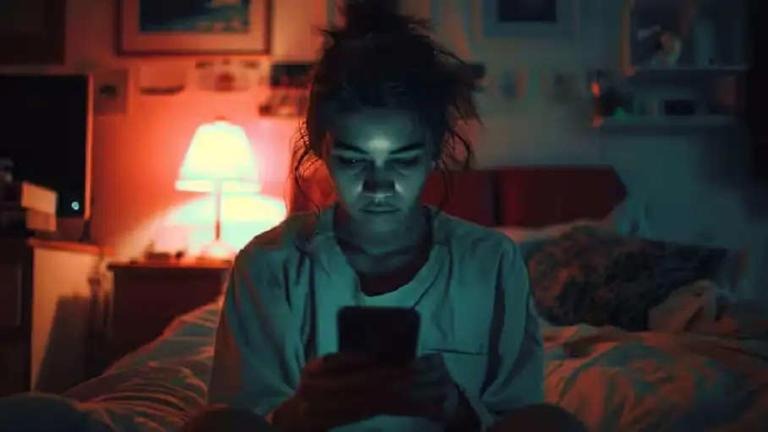
A two-year-long study encompassing over 1.22 lakh people has verified that operating a phone in the night right before going to sleep is detrimental to quality of sleep. And the most alarming part? The impact isn’t unique to individuals in their teenage or young adult years. People of all ages — from kids to the elderly — are losing sleep as a result of pre-bed use of mobile phones, reveals the study.
Also read: iphone 5 secret tricks
Here’s what the research found is happening to your brain and body when you scroll in bed — and why this harmful habit needs to stop, stat.
A Big Study on Hydroxychloroquine Draws Condemnation From Scientists A Massive Global Study is Underway or Research With a Clear Warning
Published recently in the prestigious JAMA journal, the findings followed more than 1 lakh individuals for close to 2 years, making it the largest study ever done on screen use and sleep quality at bedtime.
The participants’ night-time phone use was tracked and sleep quantity, quality and timing were compared among the different age groups.
The results were striking:
📌 Phone users before bed had 33 percent worse sleep quality than others.
That is, they had more difficulty falling asleep at night, awakened more often during the night and were still tired in the morning.
📌 The toll was across the board — toddlers and teenagers, adults and elders.
Contrary to earlier beliefs that only young people lose sleep because of screens, the problem is pervasive.
How Phone Use Hurts Your Sleep?
Scientists noticed that phone users were:
Delayed Sleep Timing: The night-oriented scroll-the day people slept they were likely to sleep later on weekdays in particular. This shortens the amount of time spent asleep and makes it hard to feel rested in the morning.
Poorer Sleep Quality: Even when individuals slept a reasonable length of time, the sleep was not deep or restful. The blue light and constant activity on the phone keep the mind awake.
Losing an Hour of Sleep Per Week: Bedtime phone use led to a forgone half-hour of sleep per week on average, which adds up to a lot over months and years.
Why Weekdays Are Affected More?
It noted that weekday sleep took a hit, while weekends were less affected.
This is because: People stay up into the wee hours scrolling, even though they have fixed schedules the next morning.
The sleep deficit spills over into the workweek, decreasing productivity, increasing workplace accidents and making us generally more unpleasant to be around.
People get to sleep in on weekends, which helps hide the damage — but not reverse it.
The result?
A brain that is tired, a body that is stressed, and lower performance all week.
The Biggest Study Ever Conducted on This Topic
What is most significant about this research, however, is the number of observations involved.
Earlier studies either focused on small groups, or only on when people slept, not how well they slept.
But this study covered:
- Over 1.22 lakh participants
- Multiple age groups
- Duration, quality and night-time behavior of sleep
- Two years of real data
- It leaves no room for doubt:
Two of the biggest (and most prevalent) sleep-disrupting factors these days?
Final Thoughts: Your Scroll Before Bed Comes at a Price
The conclusion is obvious and profoundly disturbing. Staying up on your phone before bed not only pushes bedtime back — it degrades the overall quality of sleep offer mind and body. This can result in fatigue, lack of focus, weakened immune system, irritability and decreased productivity.
If you’d like to sleep better, be healthier and have a sharper mind, the easiest remedy is also one of the most effective. No more phone for you at least 30–45 minutes before bed.

I craft sharp movie reviews and trend analysis, known for deep research, clear insights, and compelling storytelling across the latest in film and pop culture.









