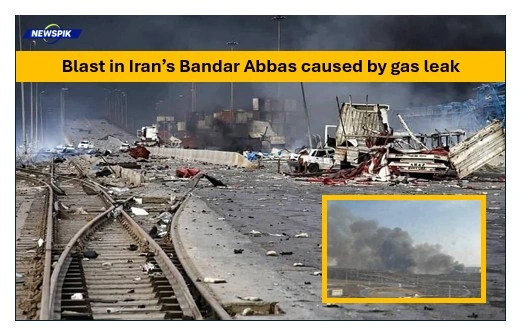

A powerful blast ripped through an eight-storey residential building on Moallem Boulevard in the heart of the strategic port city of Bandar Abbas this Saturday, killing at least 15 innocent people and injuring over 40 more according to local residents. The explosion that rocked the local area caused the tragic death of a four-year-old girl and at least 14 others being injured.
Though the initial reports were murky, the city’s Fire Chief and first responder team have been working around the clock to manage disaster operations. With the smoke clearing, attention has begun to turn from chaos on the scene to a grim investigation into whether the complex was structurally sound and why these particular buildings collapsed.
While Gas Leak Was Suspected, Pyrotechnic Still Seen as Main Trigger
After the explosion, stories spread quickly in the region’s high-stress geopolitical environment. Local fire chiefs and Crisis Management Director General for Hormozgan province Mehrdad Hassanzadeh were quick to clarify things.
Explosion was due to catastrophic gas leak within residential network, say reports from scene. The blast was so powerful that it obliterated the first and second floors of the building, blowing out from its facade and exposing the inside of a few apartments.
“The power of the explosion indicates that a large amount of gas must have built up,” said one emergency services official. “Our teams are now surveying the damage to remaining infrastructure to ensure there are no additional pockets of gas threat.
It wasn’t the only tragedy of its kind today in Bandar Abbas. Another explosion of a similar, even more lethal magnitude took place on the other side of the country in Ahvaz when a leak in four unit block killed an entire family of four. These two disasters have ignited a national debate about the safety and upkeep of aging gas infrastructure in urban residential hubs.
Casualties and Emergency Response
The Bandar Abbas explosion has taken its terrible toll on human lives. Rescue workers who reached the Moallem Boulevard site found a tableau of shattered glass, twisted metal and wreckage strewn across the road.
- Deaths: A four-year-old girl was confirmed dead at the scene.
- Injuries: 14 residents who were taken to local hospitals; several are still in critical condition with burns and trauma from falling debris.
- Property Loss: In addition to the homes, over 10 cars near the building were completely smashed and nearby shops had shattered storefronts.
All residents of the eight-storey building have been safely moved by emergency services. The inhabitants are in the process of being resettled as their houses are no longer livable — the ground floors have been declared structurally unsound.
Navigating a Climate of Tension
The public response was complicated by the timing of the explosion. Bandar Abbas is Iran’s most important container port and stands on the Strait of Hormuz, a key global oil chokepoint.
The city is home to the Islamic Revolutionary Guard Corps (IRGC) navy, and social media was briefly awash with rumours that the explosion had been a targeted strike on leadership. The semi-official Tasnim News Agency moved swiftly to shoot down these theories, describing them as “completely false,” including reports of a drone attack or an assassination attempt on a naval commander.
In addition, two Israeli officials quoted by the foreign media rejected any connection to the events. There is near unanimity amongst local investigators: this was a tragic internal industrial accident caused by domestic utility safety breakdown.
Iran Protests LIVE: Trump calls on Tehran to show protesters humanity amid reports
Lessons from the Past
Bandar Abbas had experienced similar crises on earlier occasions. Its last major blast was in April of last year, when one at the nearby Shahid Rajaee Port killed dozens and injured more than 1,000. That explosion was later attributed to “shortcomings in civil defense and safety management on the scene” involving the storage of chemicals.
The gas-leak disaster today is a grim reminder that residential safety is as important as industrial security. Here’s what critics and local residents are saying now:
- Tougher Utility Inspections: Closer monitoring of aging gas lines in heavy residential, high-density areas.
- Public Awareness: How informing the public about early warning signals for gas leaks.
- Infrastructure Upgrade: Purchase of automatic shut off on multi-story buildings.
Iran protest sees massive escalation, nationwide internet cut
Moving Forward: Recovery and Investigation
As darkness descends over the Persian Gulf, sirens have given way to the hushed work of forensic teams. The Bandar Abbas Fire Department is still watching the facility for any remaining hotspots, while the judiciary has initiated a separate investigation to determine if negligence was a factor in the gas leak.
Recovery will be a long, hard road for the families of Moallem Boulevard. Now a shadow of death has fallen on the city, transforming what should have been a subdued Saturday into a day of grief and reflection on how fragile urban safety can be.

I am a versatile content writer from the MP region, covering politics, business, crime, current affairs, entertainment, video games, and sports with clear insights, engaging analysis, and timely, reader-focused updates.