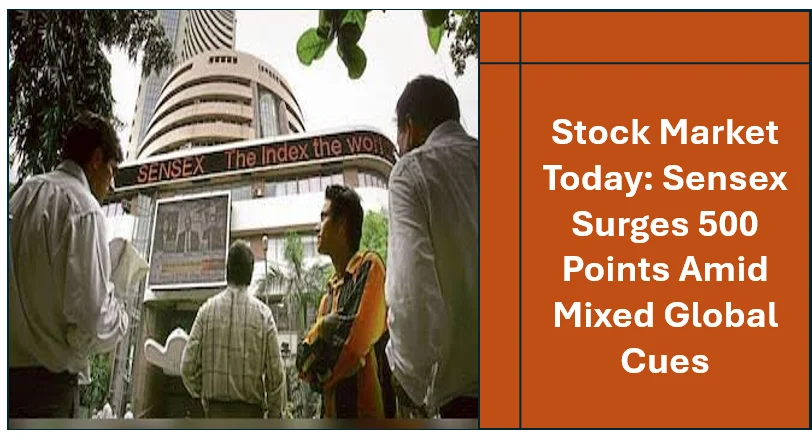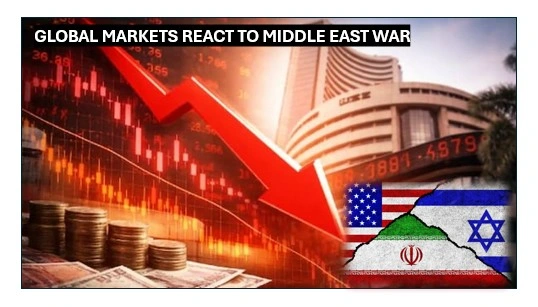

The ticker tape at the bottom of the world news screens is flashing red, yet behind the panicked numbers, there is a narrative of human panic, supply chains which are broken, and a world which is once again being forced to come to terms with its reliance on the same, volatile geography. This March 2026 is turning out to be ever more violent the conflict in the Middle East and the response it is receiving in global markets is no longer merely a series of data points but a reflection of a highly interconnected and vulnerable global community.
The Human Cost of High Stakes
When we discuss the issue of market volatility, we tend to forget about the consequences of the same to the individual. It is the outcry in the London suburbs of the30 per cent increase of the gas price that could increase a family by an extra 500 pound each year in gas bills. In Seoul, it is the so-called sell-side sidecar on the Korea Exchange which is intended to prevent panic that sees ordinary investors lose their pension funds as the KOSPI crashes by more than 7 percent.
The so-called risk-off trend that analysts talk about is actually a run towards safety. Families are keeping their money back and investors are depositing in gold, which has been soaring to $5,410 per ounce. It is very much of the same old song as before, of tired understanding that the new state of world affairs is geopolitical disasters, and that this time the world has apparently slipped out of the phantom of inflation that it had just gotten rid of years before.
Energy: The Pulse of World Anxiety
The Middle East is the main energy pipeline in the world, and, currently, this pipeline is narrowed down. Close out of the Strait of Hormuz has caused Brent crude oil to shoot to the highs of 85 a barrel and there have been mutters of 100 a barrel or even 140 a barrel as an ominous possibility in case the disruption continues.
This is not only regarding the price at the pump. It concerns the price of food delivery, the price of producing smartphones, and heating of houses. The Treasury Spring Forecast in the UK, which had been a sign of hope with the declining rates of interest, is now shrouded with uncertainty.
Read more: Asian markets close on mixed note, European indices
A Tale of Two Hemispheres
The response has not been very homogenous, pointing to the dissimilar susceptibility of diverse countries:
Asia: The Asian countries such as India, China and South Korea are bearing the brunt. They rely heavily on the Middle East oil and gas, and their stock markets have been in the forefront of the decline in the world. The Nikkei of Japan has been through the worst in months when it fell by almost 4 percent with technology and banking stocks, which are driving forces of Japanese economy, scrambling to the edge of the rising cost of inputs.
The Buffer of the West: The US and Europe are a bit insulated as they are reeling. The United States is currently satiating merely 7% of its crude require of the Middle East, radically different to the reliance of the 1970s. The psychological impact is universal, however. The S&P 500 futures have fallen, and European indices such as the DAX and FTSE 100 have fallen by 2.5-3.5 percent as it becomes almost impossible to do long-term planning due to the fog of war.
Also read: India crude buy helps global market stability: Russia
Supply Chains and the Logistical Bottleneck
The long-term cost of oil is more than the short-term cost: it is an under-grinding of the world trade. Carrying 20% of the liquid natural gas (LNG) and oil in the globe, the Strait of Hormuz is also a center of fertilizers and aluminum. The modern form of commerce, based on the just-in-time delivery model, is not succeeding as marine insurers canceled coverage and redirected their routes around the Cape of Good Hope in Africa.
To a furniture manufacturer in North Carolina who is waiting on raw materials or a car manufacturer in Germany who is out of a component they need, this conflict is not off there but it is in their warehouse. The longer the transit time, the more the freight rate, and this ultimately flows on to the consumer in the form of high costs in the market.

I am a versatile content writer from the MP region, covering politics, business, crime, current affairs, entertainment, video games, and sports with clear insights, engaging analysis, and timely, reader-focused updates.