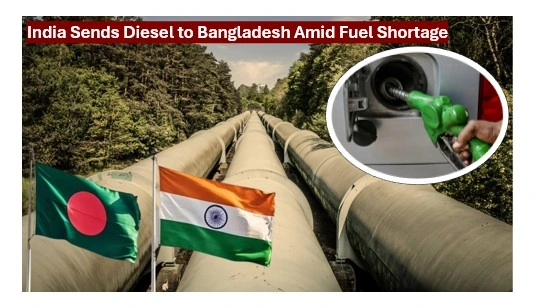

India has begun transferring gas to Bangladesh via a tube that passes under the border. This is to assist Bangladesh cope with its rising lack of diesel. Bangladesh’s energy demands are growing, and the world’s oil supply is having challenges, therefore this is happening. Officials from both nations have said that this cargo is a significant step in continuing to work together to make sure there is a consistent supply of fuel in the region.
The first transport of fuel via a pipeline
The first shipment that went through the pipeline that links India and Bangladesh was around 5,000 tons of petroleum. This is the first shipment that is slated to come under the new energy contract. The arrangement says that India would transmit up to 180,000 tons of fuel via the pipeline per year.
Bangladesh plans to bring in around 90,000 tons of petroleum in the next six months. The pipeline system is a faster and better way to move fuel than roads or trains. This simplified method makes logistics easier and guarantees on-time delivery, even when demand is at its highest.
Meeting the Growing Demand for Fuel
Bangladesh has been short on energy because of a variety of things, such as challenges in the global oil market, increased demand at home, and the fact that people are using more fuel all the time. For some reason, there isn’t enough fuel to move things, make energy, or run companies. To fix the problem, the Govt,has limited or banned some gas stations.
The oil that India sells abroad is very important for keeping basic services open and for daily life. There must always be fuel for public transportation, heavy machinery, and homes with gas engines that can run when the power goes out.
The journey of diesel fuel, beginning in Indian refineries and concluding at a storage facility in Bangladesh, is facilitated by a cross-border pipeline. This system of pipelines ensures a steady supply of diesel, reducing the need for land and sea transport. Authorities in both countries are closely monitoring the pipeline’s operations to maintain safety and efficiency.
This energy pipeline has a long history. It’s a key part of the energy collaboration between India and Bangladesh. The pipeline provides both countries with a steady flow of energy, allowing them to respond fast to market fluctuations and urgent energy needs.
Read more: India & Canada agree to strengthen cooperation on national security
Getting Bangladesh’s energy industry back on track
Bangladesh relies on a diverse array of nations for its diesel, supplementing the oil it procures from India. This multifaceted approach is designed to guarantee a steady fuel supply, which is essential for key sectors such as transportation, industry and power generation.
The Bangladeshi government has taken steps to discourage panic buying and hoarding. To stabilize the market, fuel stations are capping the amount of diesel each person can purchase, and holding sites are under scrutiny. These measures, along with pipeline operations, are intended to keep supplies steady for both consumers and businesses, thereby reducing the likelihood of temporary shortages.
How Important It Is for Both Countries in Terms of Strategy
When energy is scarce, Bangladesh really needs fuel from India. Businesses and transportation systems, along with homes, hospitals and public services, all need and steady fuel supply. This is important for Bangladesh’s businesses to run smoothly and to avoid the economic loses that could come from not having enough oil. India’s sale of fuel to Bangladesh shows that their energy relationship is growing, which makes the bond between the two countries even stronger. The deal on the pipeline itself shows a commitment to working together and being responsible in the energy business.

I am a versatile content writer from the MP region, covering politics, business, crime, current affairs, entertainment, video games, and sports with clear insights, engaging analysis, and timely, reader-focused updates.