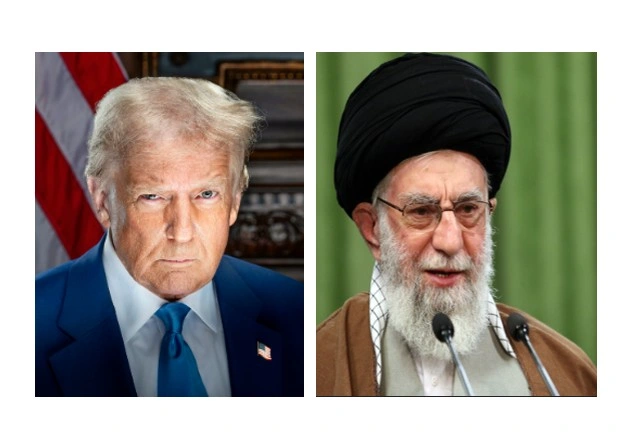

The diplomatic clocks of the Middle East tick frantically, rhythmically as Istanbul prepared to host a meeting that might bring the world back from a precipice — or be seen in retrospect as its last failed attempt at peace. Iranian Foreign Minister Abbas Araghchi and U.S. Special Envoy Steve Witkoff are scheduled to face each other on Friday, Feb. 6, 2026. This is not your typical game of “shuttle diplomacy.” With a huge U.S. naval “armada” coursing through the Persian Gulf and turbulent terrain at home in Iran, the stakes could hardly be higher.
A Bridge Over Troubled Waters: The Istanbul Summit
For decades Istanbul has been host to some of the world’s most complex negotiations, although the 2026 summit carries perhaps a particularly heavy significance. The direct Araghchi-Witkoff meeting, after months of indirect messaging through Turkey and Qatar and with the help of Egypt, is the first encounter at a senior level face-to-face between Tehran and Washington since negotiations broke down after an acute but limited military clash in June 2025.
The run-up to Friday is a paradox of cautious optimism and bellicose military threats. The White House has signalled a real interest in a “fair deal”—but the rhetoric is still sharply pointed. President Donald Trump has been, well, characteristically blunt — offering a statement that he said hopes there is a diplomatic resolution, but warning, “Bad things can happen” if it’s not. It is a “deal-making or disaster” strategy that has boxed both sides in to such an extent that there is no margin for error.
The Regional Actors: More Than Bystanders
Whereas previous bilateral efforts had a “crowded table.” Senior diplomats from Saudi Arabia, Egypt, the United Arab Emirates and Qatar will be in Istanbul for the meeting, reports say. That the region has become embroiled is no accident; that is a buffer zone strategy. These countries, many of which would feel the effects of any future conflict on their borders, are playing the role of both facilitators and guarantors.
Turkey’s foreign minister, Hakan Fidan, has played a key role in creating this space for dialogue. For Ankara, the objective is clear: Stop a regional conflagration that would hurt its own borders and economy. The regional heavyweights in attendance indicate that any possible deal would have to address not only nuclear enrichment, but the wider security landscape of the Middle East.
The Core Conflict: Red Lines and Tough Deals
To understand why Friday is so important, here’s a look at the “Three Pillars” of U.S. demands and the “Red Lines” of the Iranian establishment. The Trump administration has gone into these talks with a defined list of demands that Tehran has traditionally considered non-starters:
- No Uranium Enrichment: Washington seeks to eliminate all enrichment activities in Iran.
- Missile Program Limits: A call to dismantle or seriously limit Iran’s ballistic missile program.
- Regional Proxy Influence: Discontinuation of Iranian support for a number of regional groups.
Iran, for its part, has been equally resolute from the Iranian angle: “Diplomacy is definitely not a one-way street of dictation,” Foreign Minister Araghchi said. Iran sees its missile program as a necessary defense, particularly since the 2025 strikes. But there’s a slight change in the wind. Though enrichment is a source of national pride, some Iranian officials have suggested that the missile issue — while tough — could actually be where the real “hard bargaining” happens if Washington gives extensive and verifiable sanctions relief.
The Human Element: Stressed Out Nation
Beyond the mahogany tables of Istanbul, there is a human drama underway. Iran is now dealing with the aftermath of the deadliest domestic unrest since 1979. Iranian people have been burdened by stringent economic challenges as a result of snapback sanctions and decreasing Rial value.
The Iranian government knows very well that a failure in Istanbul could induce a two-front crisis: not only military clashes with the US, but also popular protests on the domestic front. The goal for President Masoud Pezeshkian, who is said to have instructed his envoys that the talks should resume, is survival. He needs a victory that brings relief to the economic boot on the neck of his people, but without looking as if he’s caved in to Western pressure.
Looking Ahead: The “Best-Case Scenario”
What does Friday success look like? Few analysts are expecting a final treaty to be signed. Instead, the “optimum approach’ would be to form a “Structured Framework”. But if Araghchi and Witkoff can agree at least to a roadmap — a sequence of small, reciprocating steps that help both sides build trust — the imminent threat of war could ebb.
Jared Kushner’s involvement as well, along with Witkoff, implies the U.S. is pursuing a broad “Grand Bargain,” rather than just fixing things piecemeal. It is the money bet on whether the “Art of the Deal” can work in the arcane world of Persian diplomacy.
Istanbul will be the main event for the world on Friday. It’s a moment when the personal chemistry of two men, the pressure of regional neighbors and leaders and the desperation of a sanctioned nation will intersect.

A versatile writer mainly works on trending news, daily updates from politics, business, crime, current affairs and entertainment.









