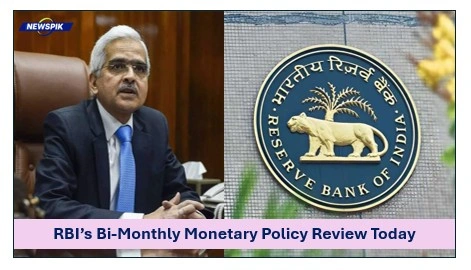

The air is heavy with anticipation today at Mint Street—the nickname of the Reserve Bank of India (RBI) in Mumbai—where it can feel suffocating. With the Monetary Policy Committee (MPC) set to wrap a three-day meeting, Governor Shaktikanta Das will trudge up to the dais to announce the first bi-monthly policy review of this year.
This is not just a technical briefing that Indians read or hear about, while bankers and economists attempt to decode the many signals it sends; this is something that defines livelihood for the common Indian: “cost of living.” From the EMI on a dream home to the interest accrued on prompting grandmother’s fixed deposit or even something as basic as the cost of a liter of milk, ripples from this convergence shall be felt in every household across India.
The Macro Backdrop: Growth vs Inflation
It is a classic “tightrope walk” for the RBI. + On the one hand, India has demonstrated impressive economic resilience with projected GDP growth of some 7% in 2026. On the other, fears of stubborn — that is, “sticky” — inflation never seem to go away, especially food inflation.
Governor Das has often used the analogy of a “war on inflation,” indicating that the central bank will keep its vigil till CPI is consistently on course to meet the 4% target. But with global supply chains normalizing and the monsoon outlook encouraging, markets are hoping for a change in tone—a turn away from “withdrawal of accommodation” to something more “neutral.”
Verdict is In: RBI Announces Bi-Monthly Monetary Policy Today
The Key Variables at Play:
- Food Inflation: Although core inflation (excluding food and fuel) has cooled, the price of pulses and cereals continue to be a migraine for the MPC.
- Global Tips: As the U.S. Federal Reserve has suggested a “higher-for-longer” interest rate policy, RBI would have to keep the Rupee steady versus the Dollar to keep imported inflation in check.
- Liquidity Management: The banking system has experienced tight liquidity spells and lenders are looking for steps to ensure more funds will be available for lending.
Decoding the “Repo Rate” Drama
Today the most watched number is the Repo Rate, at which RBI lends money to commercial banks. The committee has held this rate steady at 6.50% in the last few reviews.
If the RBI does not change its stance today, it will give the message to the market that there is stability in our system. If they move by 25 basis points in a surprise to markets, that could then trigger a stock market rally and some slight hope for homebuyers. But the consensus among most experienced analysts is that RBI will be “on hold”. The “human” component is the psychological effect: a steady rate offers businesses planning their capital expenditures for the next fiscal year a degree of assurance.
Why This Policy Review Seems Different
The 2026 February review, unlike the clinical and data-heavy reviews of past, seems to have a pulse on the “real economy.” We’re witnessing a transition in which the RBI is paying much more attention to “unsecured lending” — the simple consumer loans and credit card offers that have crowded into the market via fintech apps.
The MPC will also address the state of the financial sector, perhaps clamping down on “over-leveraged” households. This is the RBI playing the “sage uncle” of the Indian economy, who makes sure that a party of irresponsible spending does not result in a hangover of debt for new professionals.

A versatile writer mainly works on trending news, daily updates from politics, business, crime, current affairs and entertainment.