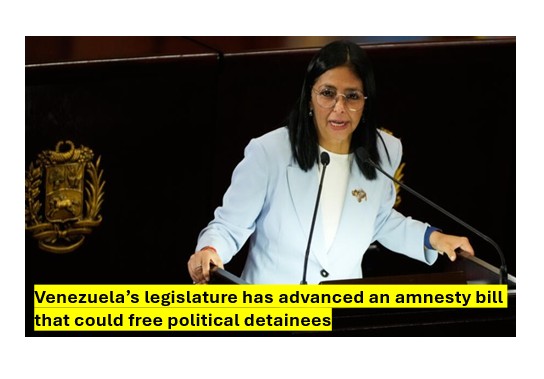

For years, the streets of Caracas have rung out to a single, rhythmic scream: “¡Libertad! It is a term that has embodied the Venezuelan fight, murmured in El Helicoide’s cramped cells and cried out by mothers who clutched worn photos of their sons at the Plaza Bolívar. This week, it gained an unexpected echo in the halls of the National Assembly. As the Venezuelan legislature pushes through a broad amnesty law for political prisoners, the country finds itself at a drunken intersection between its harrowing past and an unclear but hopeful future.
The slide toward amnesty represents more than a legislative gambit; it is a seismic movement in the Venezuelan political topography. The bill, put forward by acting President Delcy Rodríguez after the surprise ouster of Nicolás Maduro in early January 2026, is intended to “dismantle” a “repressive apparatus” that has characterized the Bolivarian Revolution since it´s rise over 25 years ago. But for thousands of families, it marks the first gulp of real air in years after political asphyxiation.
Turning the Page on Decades of Hostility
The envisioned, “General Amnesty Law” is an ambitious one that attempts to resolve nearly three decades of political tension. Based on early drafts and official statements about the law, it would cover political crimes committed from 1999, when Hugo Chávez first assumed office, until the present. This timeline is important because it recognizes that the origins of the crisis go far deeper than simply misleading election results from a generation ago.
Acting President Rodríguez, who made his remarks at the Supreme Tribunal of Justice, described the bill as a necessary “healing of wounds.” Her discourse, which has surprised many familiar with her as a pugnacious loyalist of the last administration, focuses on movement away from “the spirit of revenge,” toward “respectful coexistence.”
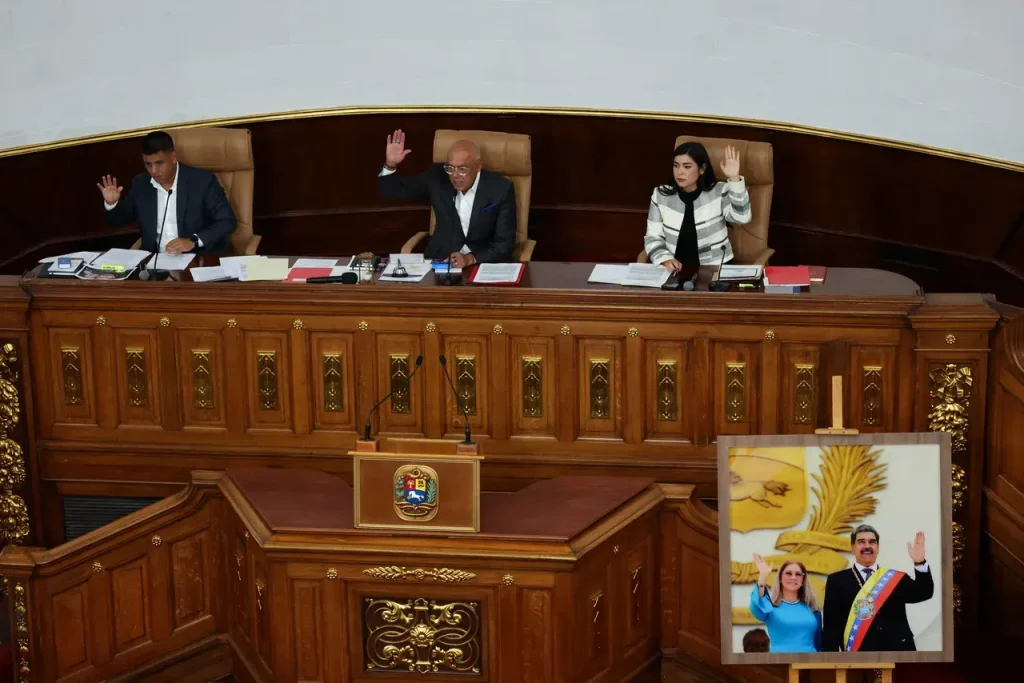
Here are some of the main provisions of the amnesty bill’s text:
- Broad Timeline: Political offenses coverage goes from 1999 to 2026.
- Varied Avenues: Focused release of opposition leaders, student activists, journalists and human rights defenders.
- “Legal Restoration” release from not just the removal of physical bars, but “post-release measures” that have historically banned former detainees from traveling or politics.
- But At a Universal (or personal) level: Widely considered an anti personality, the Bill also includes a list of who can’t receive any benefit from this law The bill reserves aid for those imprisoned for “heinous offenses” Murder, direct human rights violations and drug trafficking among them in order to avoid impunity for the most violent.
The Struggle’s Human Face
In the law-in-the-making of national statutory language, however, we know by day what really happens at night beyond the gates of the country’s detention centers. Groups like Foro Penal estimate that more than 700 political prisoners are still imprisoned, and many more are under restrictive “conditional liberty.”
Consider the example of Johana Chirinos, whose nephew has been detained without a proper trial for months. Outside the infamous El Helicoide prison, she wept as she followed news of how the bill was moving forward on a smartphone. “God is good,” she said to reporters, her voice quivering. “Nobody belongs in there just because they think differently.”
For leading figures such as Freddy Superlano, Perkins Rocha and Juan Pablo Guanipa — who became and remained symbols of resistance after the 2024 elections — this amnesty means one thing: the end of a nightmare. But for the ordinary folks who were also sucked in when the government went door-knocking in “Operation Tun-Tun,” it’s an opportunity to get back a life stolen by ideology — to strengthen ties with children and, perhaps, even grandchildren they have never been allowed to know.
Loud Explosions In Venezuela After Trump Warns Of Ground Strikes
Global Stakes and Geopolitical Pressure
The timing cannot be overlooked for this legislative push. Acting President Rodríguez’s attention to amnesty is interpreted by many, including opposition leader María Corina Machado, as a reflection of extreme international pressure and not the result of a genuine change of heart.
The United States has already indirectly given the move its blessing by saying that all of the American detainees held in Venezuela are being released. The fact that high-level U.S. diplomats are beginning to arrive, such as Laura Dogu, reflects the opinion that the “normalization of relations will depend on how well this amnesty process goes.” In Washington, freeing political prisoners is an obligatory condition before the heavy sanctions weighing down on the Venezuelan economy are lifted.

A versatile writer mainly works on trending news, daily updates from politics, business, crime, current affairs and entertainment.