
The Indian rupee hit a new record low when it dropped below ₹90 to the US dollar. This is a big step forward and shows how the pressure on the currency is coming from both global and local economic forces. Since the value has been going down steadily for months, this is one of the biggest drops in recent years.
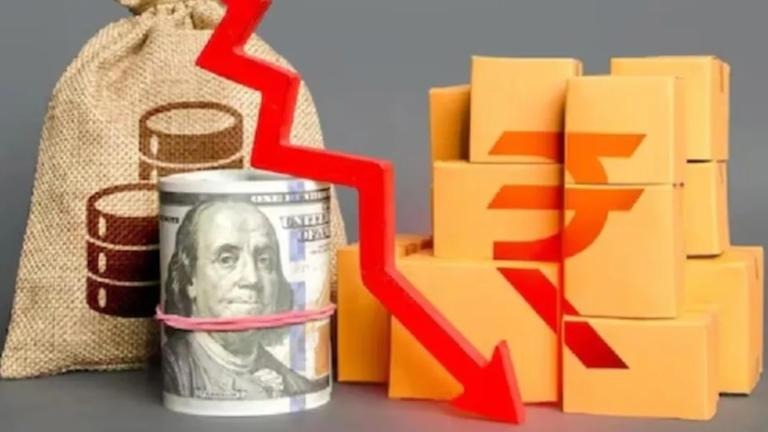
Even more so, this sudden drop stands out because the rupee had been above this level for a long time. For companies, importers, investors, and regular people, crossing 90 per dollar is seen as a symbolic and economic red line that makes them nervous.
Why did it fall? Lack of trade, money leaving the country and global headwinds
The growing trade imbalance is a big reason why the rupee is falling. India still buys more things than it sells, mostly goods and energy that are paid in dollars. This makes more foreign cash needed. This makes the rupee weaker because people who buy goods and services from other countries have to buy more dollars.
Foreign buyers have been pulling their money out of Indian markets at the same time, taking money out of the country. As a result, fewer people want to buy rupees and more people want dollars, which makes the local unit even weaker.
A strong US dollar, rising global interest rates, and instability in international trade have all made things worse. They have stopped money from coming in and raised the cost of dollar-based goods. All of these things have caused the rupee to fall sharply.
Read also:
What It Means for India: Effects on Prices, Inflation, and Everyday Life
Indian buyers have to pay more for foreign goods like fuel, gadgets, and raw materials when the rupee falls. This could cause prices to go up for both customers and businesses, which would add to the pressure of inflation in the economy as a whole.
If a company needs to import parts, the costs may go up, which could cut into their profits or force them to raise prices. For customers, this could mean that petrol, foreign goods, and trips abroad will cost more.
On the other hand, traders who make money in dollars might gain because the rupee value of their foreign earnings goes up. Still, a weak currency tends to make the economy as a whole less stable, especially for sectors that depend on imports and regular families.
What’s Next, Policy Response, and Market Watch
The government has been stepping in only slightly, but the stresses are still very high. But some experts say the rupee could fall even more in the next few months if trade gaps get bigger and foreign investment stays low. The short-term picture is not clear, especially until outside forces like oil costs and world trade conditions become more stable.
Economists and people who work in the domestic economy say that the risks of inflation will need to be closely watched. If the value of the currency keeps going down, officials might have to rethink their trade, import, and budget plans in order to handle the pressures on the balance of payments.
At the same time, businesses and people may need to plan for goods that cost more and change their budgets to reflect this. The rupee may be more stable in the long run if exports grow faster, capital flows stop, and the trade balance gets better. To do all of these things, economic and policy measures must be combined.

I craft sharp movie reviews and trend analysis, known for deep research, clear insights, and compelling storytelling across the latest in film and pop culture.









